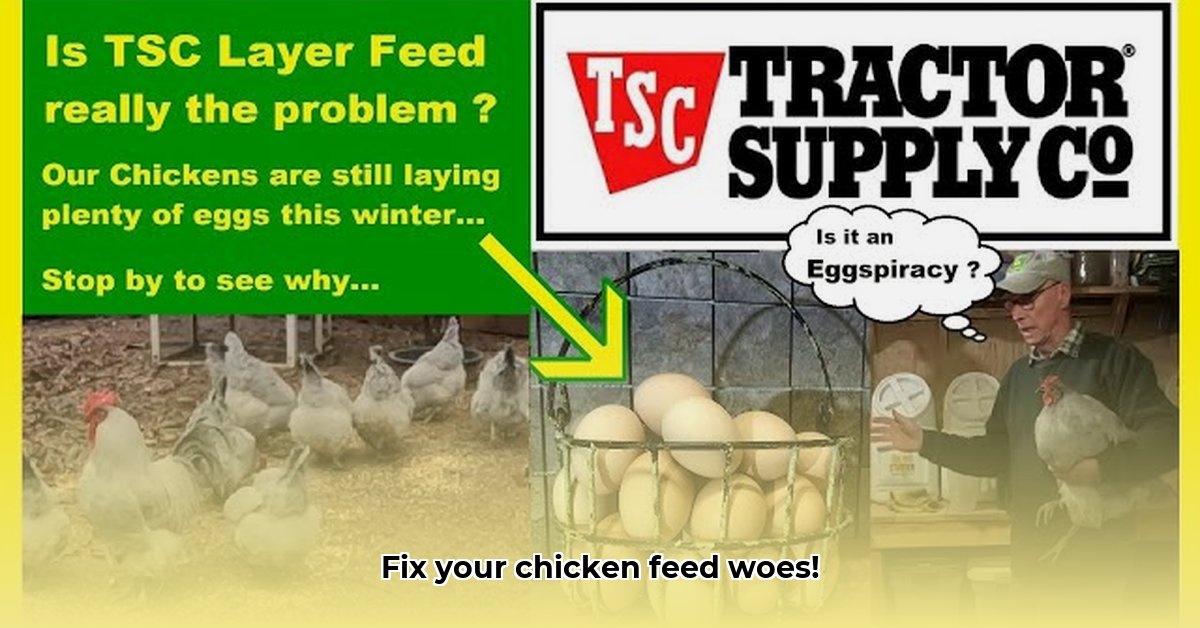
Are your backyard chickens underperforming? Are you concerned about the quality of Tractor Supply chicken feed? Many chicken keepers share similar worries, citing issues impacting egg production, overall flock health, and even the safety of their eggs. For more information on Tractor Supply chicken feeders, see this site. This article explores these concerns, offering practical solutions for both chicken owners and Tractor Supply.
Understanding Reported Problems with Tractor Supply Chicken Feed
Reports indicate several recurring issues with Tractor Supply's chicken feed, potentially affecting the health and productivity of your flock. These include:
- Nutritional Deficiencies: Insufficient levels of essential proteins, vitamins, and minerals can result in reduced egg production, weakened immune systems, and other health problems. This imbalance is akin to an inadequate human diet – resulting in poor health and reduced performance.
- Contamination Risks: Concerns exist regarding potential contamination from sources like E. coli bacteria, heavy metals, and pesticide residues. These contaminants pose a significant threat to both chicken health and the safety of consumed eggs.
- Inconsistent Quality: Reports suggest variability in the nutritional content between different batches of the same feed. This inconsistency makes it difficult to ensure your chickens consistently receive the required nutrients.
These are not isolated incidents; extensive online discussions confirm this as a widespread problem.
Investigating the Root Causes: Why These Problems?
Pinpointing the exact causes of these feed issues is complex, but several contributing factors warrant consideration:
- Feed Formulation: Variations in ingredient quality, sourcing, or processing methods might lead to nutritional inconsistencies. A change in ingredient suppliers or processing errors could significantly affect the final product's nutritional value.
- Supply Chain Management: Improper storage or handling during transportation and storage from the manufacturer to retail shelves can degrade feed quality, leading to nutrient loss or contamination. Maintaining a consistent cold chain is crucial to prevent spoilage.
- Environmental Factors: While not directly related to feed quality, environmental stressors such as extreme temperatures can negatively impact chicken health, thus affecting egg production regardless of feed quality. Heat stress, for instance, can significantly reduce both feed intake and egg laying.
- On-Farm Storage: Improper storage at home – including exposure to moisture, temperature fluctuations, or pest infestations – can compromise feed quality and nutrient levels after purchase. Always store feed in a cool, dry, and rodent-proof environment.
Actionable Steps to Protect Your Flock
If you suspect Tractor Supply chicken feed is affecting your birds, consider these actions:
- Monitor Your Flock: Carefully observe your chickens daily for signs of illness (lethargy, ruffled feathers, diarrhea) and track egg production. Any significant changes warrant attention.
- Diversify Feed Sources: Supplement Tractor Supply feed with other reputable brands or incorporate fresh, organic ingredients such as vegetable scraps. A diverse diet improves resilience to nutritional inconsistencies.
- Consult an Expert: If you identify specific nutritional deficiencies, consult a veterinarian or poultry expert before adding supplements. Improper supplementation can worsen the situation.
- Enhance Biosecurity: Practice stringent coop and feeding area hygiene to minimize contamination risks. Regular cleaning and disinfection are crucial.
- Report Problems: Contact Tractor Supply directly to report any problems encountered. Your feedback is vital for prompting improvements.
Addressing these issues requires a holistic approach.
A Call for Responsible Action from Tractor Supply
To resolve these issues, Tractor Supply needs to take proactive steps:
- Independent Testing: Regular independent laboratory testing should be implemented to verify nutritional content and detect any contamination. This ensures adherence to quality standards and enhances transparency.
- Supplier Partnerships: Collaborate with reliable ingredient suppliers to ensure consistent quality and traceability of feed components. This is key to minimizing variations and improving long-term reliability.
- Improved Communication: Establish a system for transparent and proactive communication with customers, addressing concerns promptly and openly. This fosters trust and encourages feedback.
- Invest in R&D: Continuously invest in research and development to refine feed formulations, optimize nutrient levels, and enhance overall feed quality. This demonstrates a commitment to long-term solutions.
These actions are essential for maintaining the health of backyard chickens and safeguarding consumer confidence.
Key Takeaways: Improving Backyard Chicken Egg Production
- Balanced Nutrition is Paramount: High-quality, balanced commercial feed is essential for optimal egg production and overall chicken health.
- Protein and Calcium are Crucial: Protein levels influence overall health, while calcium is critical for strong eggshells. Proper supplementation may be necessary.
- Diversify Feed Sources: Avoid exclusively relying on a single brand. A diverse diet helps prevent nutrient deficiencies.
Addressing these issues improves the well-being of chickens and promotes responsible agricultural practices for a healthier future. Your active participation is crucial!
Unbagging the Truth: Are Tractor Supply Feeds Falling Short?
For many backyard chicken keepers, Tractor Supply Company is a convenient one-stop shop for everything from coop essentials to, most importantly, chicken feed. Its widespread availability makes it a go-to choice, especially for those in rural areas. However, an increasing number of flock owners are beginning to voice concerns about the consistency and quality of the feeds found on TSC shelves. Reports often point to issues like an excessive amount of feed dust, a sudden change in ingredient composition without clear labeling, or even a noticeable decline in their flock’s enthusiasm at feeding time. This variability can be incredibly frustrating, leaving keepers wondering if their birds are truly getting the balanced nutrition they need to thrive.
The implications of inconsistent feed quality can be far-reaching for a small flock. Owners might observe a dip in egg production, a decline in feather quality, or a general lack of vigor in their birds, all potentially linked back to nutritional shortcomings. Another common point of contention revolves around the freshness of the feed; bags that have sat on the shelf for extended periods can lose vital nutrients or even become susceptible to spoilage, presenting a hidden challenge to avian health. While the convenience factor is undeniable, these reported issues highlight the importance of diligent observation and perhaps a closer look at the feed tag to ensure your feathered friends are truly getting the best from their daily meals.